I installed scale on an older system using the exact same USB.
Yes, i do see the blue screen with the baudrate option.
yes, I am using DD mode in Rufus
I installed scale on an older system using the exact same USB.
Yes, i do see the blue screen with the baudrate option.
yes, I am using DD mode in Rufus
Ok, to further narrow this down further. Have you done the following:
Downloaded generic Debian 12 USB, does that boot on the system?
Download the 23.10 (Cobia) SCALE image (Older kernel)
Do either of those boot?
I will try these later today
Installing version 23.10.2 gives my the same issue.
Installing version 22.12.4.2 gives me: FIPS self test failure.
Debian 12.5.0 actually did install
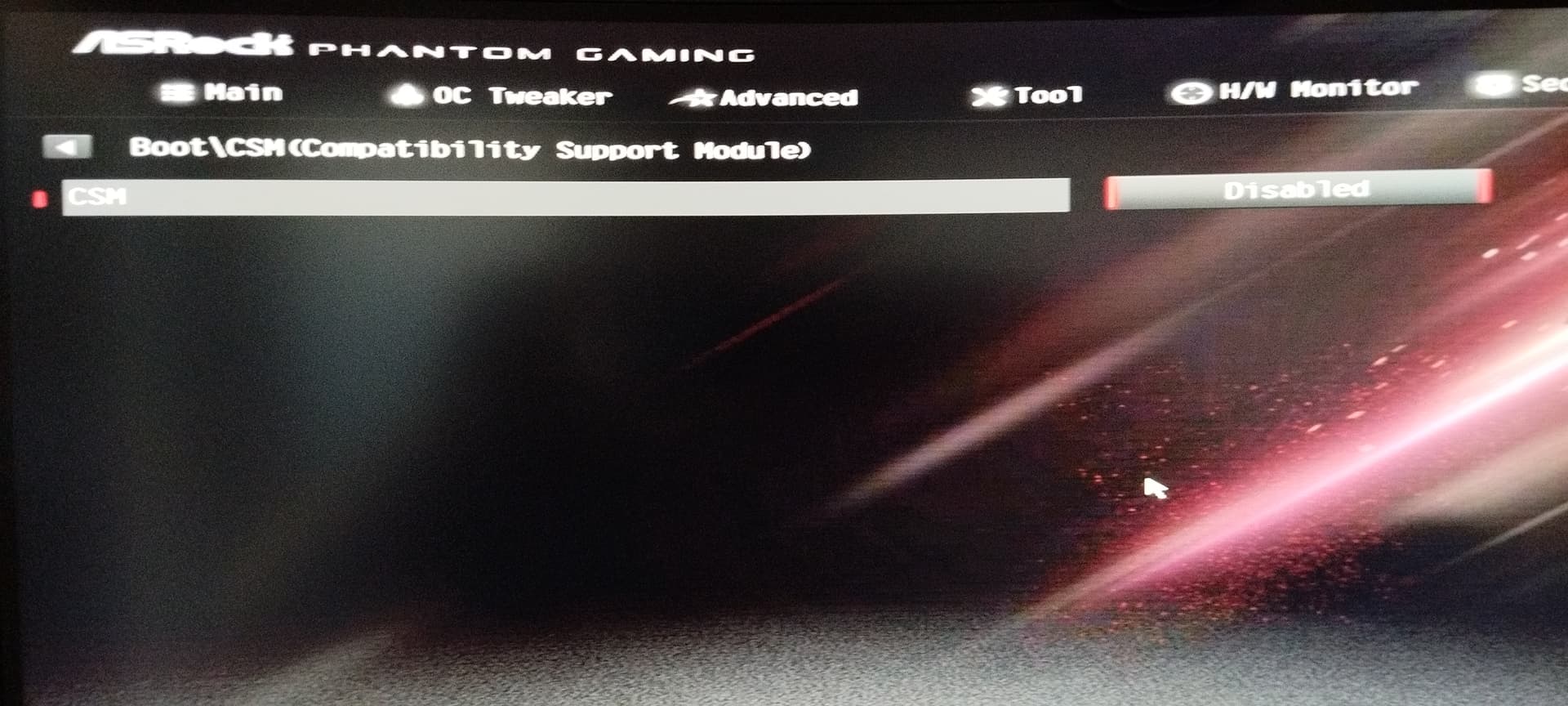
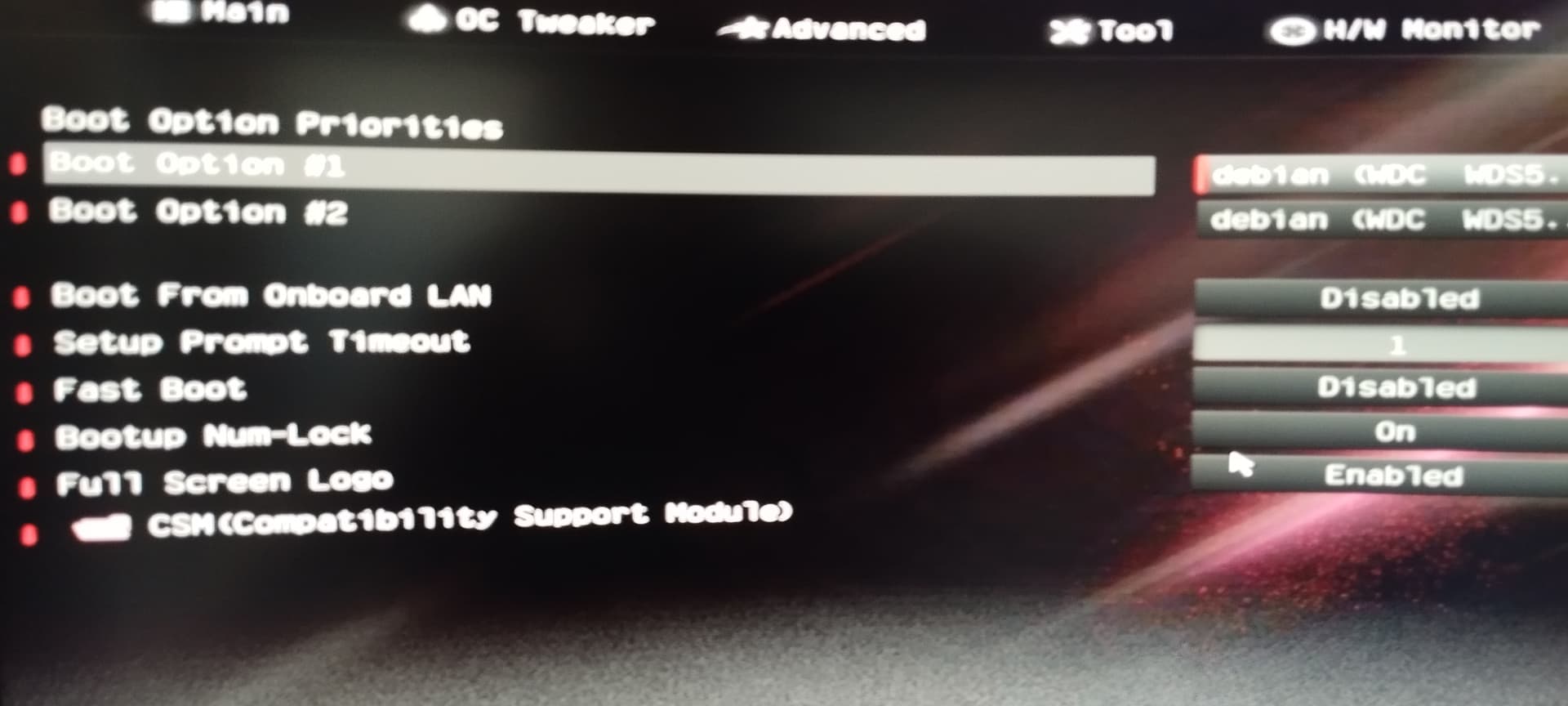
That is a fascinating result. I assume you’ve gone through and tried resetting the factory default UEFI / secure boot keys? Could you provide a screenshot of your boot/UEFI settings page in the BIOS?
Can you enable CSM and get us a screenshot of the boot keys / secure boot page?
So what’s the problem exactly?

You might be surprised, but creating a Ventoy bootable USB can miraculously boot ISOs that would otherwise give you issues.
It has two “modes”. Each ISO is allowed to boot in “Regular” or “Grub 2” mode.
.iso file directly to the FAT32 partition, which is labeled VENTOY[1].iso file from the menu listWhen you create a bootable Ventoy USB, the stick will have two partitions. One is the actual Ventoy bootloader and software, while the other is a plain empty partition (the remaining capacity of the stick) where you simply copy ISOs directly into it. No need to “dd” or use any fancy tools. You can dump dozens of bootable ISOs into a single USB stick, rather than wasting an entire stick just for one ISO. ↩︎
The problem is that it doesn’t support his NIC:
The better answer is to use a better NIC. But SCALE was suggested as an alternative.
Thank you all for all the replies, eventually I got it working yesterday and Truenas Scale actually does support my NIC.
Later today or tomorrow I will go into the BIOS and see what my exact settings turned out to be. So I can post it here.
Glad you got it booting! It would be good to know what magic combination of settings enabled booting for later readers who might have similar hardware  (And I’m just curious now)
So basicaly everything is off:
CSM is off.
Secure boot is off.
Fast boot is off.
I did reset the secure boot keys so maybe that was something
Apologies for reviving this solved thread, but for the sake of anyone who happens to come across this after a Google search, like me, I had a slightly different solution.
I’m attempting my install on a FM2+ platform Gigabyte GA-F2A68HM-HD2 and it has been a nightmare, predominantly because of this issue. I am using a 16GB Kingston drive as installation media and a 32GB SanDisk USB as a test boot drive.
Using default BIOS settings, which included the settings from the thread’s solution, it still was not working. I managed to solve the issue by using a USB 2.0 port, enabling IOMMU, forcing UEFI, using the latest ISO of course, and using Balena Etcher rather than Rufus.
Rufus failed to create a working drive even with the correct DD formatting, cluster sizes etc.
The install has finally started going after hours of problem solving.
If anyone else stumbles across this whilst troubleshooting feel free to send a message.