Power supply recommendations for high disk count

So I took delivery of a new server case today. It’s twelve 3.5” bays with backplanes. Plus, I could add another five 2.5” SSDs potentially. It doesn’t have a power supply, so now I’m looking for recommendations for an ATX power supply. Size limit is 180mm or shorter, and that delivers a decent amount of power using molex connectors.

I feel like most power supplies now are designed to feed a few spinning drives via SATA power connector at the most, and deliver high power to the graphics card power ports instead.

I agree with you that the 5V rail may not meet expectations. At the same time, I’m no longer familiar with the 5V power requirements for the electronics in a 3.5” spinner or a 2.5” SSD. Thus, I’d have a look at those and (for the drives you have) and compare them against the PSUs you’re looking into.

FWIW, I’ve been super happy with my titanium-rated seasonic 750 PSU (atx). Average power draw at the outlet is 110w or less, lower than when I was running the system on a platinum-rated 650w PSU.

Couple of interesting tidbits of information.
Helium filled hard drives draw far less sustained power than air-filled ones. e.g.

Where the 12TB air model draws 9.2W operational vs 6.9W operational for the helium filled version. Thats 33% more power on average when in normal operation. With 12 drives, thats a differance between 82W and 112W.

Startup current is a whole other thing. Seagate publishes these numbers for ironwolf here, stating as high as 2A (at 12v thats 24W!, 12 disks thats 288 Watts)

Consumer SATA SSDs like 870 EVO draw during operation about 2.5W during writes. So we’ll figure in 13 watts.

But you should double that for an enterprise grade product, eg Kioxia PM7. So we’ll call it 25W.

So your power budget, just for storage, is somewhere around 300-325Watts.

that delivers a decent amount of power using molex connectors.

Why do you want to use Molex connectors? You’re asking for trouble.

Like @Constantin I’ve always been super happy Seasonic PSUs. The PRIME series offers super low ripple, but they’ve been very hard to find lately. Looks like 150mm long for the 750/850.

https://seasonic.com/prime-ultra-titanium/

2 Likes

Because the backplane power inputs are molex connectors. It’s that way with my current (4-bay) case, too.

not sure about high disk count but i use seasonic because it scored really well in tier lists like this

i use 4x 12tb hdds 24/7 no issues whatsoever. i even for same brand for my desktop also no problem ^^;

i think somebody mention the warranty was 10 years or something? my desktop seasonic SSR 750 is 1-2 years away from warranty expiration. May replace by then :thinking:

The Seasonic FOCUS Plus 750 Gold (SSR-750FX) is a well-regarded, fully modular 750W power supply known for its high performance, 80 PLUS Gold efficiency, and compact design. It has been a popular choice for gaming and enthusiast PC builds due to its reliability and long warranty

Key Features and Specifications

The SSR-750FX model is part of the original FOCUS Plus series, which was later succeeded by the updated FOCUS GX series.

  • Wattage: 750 W total continuous power.

  • Efficiency: 80 PLUS Gold certified, achieving 90% efficiency at 50% system load.

  • Form Factor: ATX.

  • Modularity: Fully Modular design, allowing for better cable management by using only the necessary cables.

  • Cooling: Features a quiet, 120mm Fluid Dynamic Bearing (FDB) fan with a Hybrid Silent Fan Control that allows for a fanless mode under low loads.

  • Dimensions: Very compact at 140 mm (L) x 150 mm (W) x 86 mm (H), making it suitable for smaller cases.

  • Cables and Connectors: Includes two EPS connectors and four PCIe connectors, providing ample options for high-end components.

  • Warranty: Typically backed by a robust 10-year manufacturer warranty, reflecting its build quality.

my truenas i bought a newer model GX-750 (there are newer models than this. this also came with a 10 year warranty)

Other than occultist, there is this tierlist as well

donno y but the newer seasonic for this model seems the author said there is better alternative for price/performance/features

B. Rood says:

sept 2025

Very good review. Also excellent input from the comment section. I’d like to add a personal experience with Seasonic. To me it seems like they have systemic problems at Seasonic regarding the protection circuit. I got a AM4 Gigabyte ITX board with a Ryzen 5700G for very cheap from a seller who pics his parts on pure marketing sentiment. The system had issues with the graphics from the start. But as soon as I added a 6600 XT DGPU it became unstable. Upgrading the graphics drivers (IGPU and DGPU) made the system crash hard while idling at for a long time. By crashing hard I mean that I had to disassemble the DGPU and rewire it to a different outlet of the PSU (SEASONIC FOCUS GOLD FX550) before it would restart. I assumed a broken soldering point in the PSU had caused the crash at that time) An OS image (containing the old GPU drivers) was put back and everything seemed fine until I decided to update the GPU drivers again. After the driver update the PSU began to shut down the system randomly. Strangely enough the shut downs happened not while the DGPU was on full load but as soon as the NVME drive was writing large amounts of data. Soon the system PSU protection was also triggered while the system was idle. It even crashed while configuring the bios. I expected an almost dead mosfet on the main-board or the PSU was dying. I ordered a new PSU after searching for problems with this Seasonic PSU. All the problems vanished after building the new PSU in.

I did found problems with FX Gold line from Seasonic.
Seasonic claimed that the protection of the Focus Gold FX550 could only be triggered with high transient spikes. That was NOT my experience as the 6600 XT does not produce these kind of spikes. Their solution was crappy to say the least. Seasonic provided different cables for problematic GPU’s like extra shielded cables and/or cables with capacitors build in. To me that was the red flag. Providing 10 years of warranty says nothing but addressing a big problem in the protection circuit with “magic” new cables says it all; Seasonic does not adress their design faults. They should have recalled the Focus Gold FFX line but they did not potentially causing damage to the costumers. After repair I decided to open up the PSU. I did not care about the warranty because it’s useless if you get a repaired PSU back with the same faulty design. I noticed two things in this five years old PSU that never had to work up to specs. First I noticed that the placement of a row of the high powered transistors was far from ideal. Seasonic had placed it against one side of the enclosure. I think that was on purpose because a NTC had been placed against one of the transistors. The NTC is there to limit the inrush current. This NTC looked absolutely backed I suspected it was failing. The PCB under it also looked backed both had been discolored like a more brownish color instead of blue and green one. In my old PC I have a more then 10 years old, much cheaper, Antec PSU of the same wattage. I cleaned it out two years ago and everything inside still looks fresh while the system draws a lot more power because the outdated Phenom II it feeds needs a lot of power. The Antec PSU is also heavier because it’s populated with more parts. What I especially dislike about Seasonic is their simplistic consumer base who fall for Seasonic’s marketing (we are the best bla bla) Seasonic is nothing special no matter how Japanese the capacitors they use are. And now again years later problems with the protection circuits of another line of Seasonic PSU’s. I prefer the highest tier Mars gaming PSU, over a Seasonic mid tier PSU they are that bad. Their marketing strategy makes me suspect that reviewers falsely praise Seasonic PSU’s. That’s pure speculation but it is very hard to find an honest review like this one on HWBUSTERS. Therefore I bookmarked hwbusters site and took the time for writing down my detailed experence in this comment section. Oh, the new PSU I bought is a “mid tier” Corsair RM750E with a lot of Korean capacitors in it. They do how to make good capacitors outside of Japan also.

pretty harsh. but even hwbuster said the protection features for this specific was dodgy. maybe there better psu to consider :thinking:

all i know for sure is my older Seasonic ssr-750fx i used for desktop for 2 hard drives and 2 ssds for 8+ years had no issues.

the GX-750 (it’s the older model not same as in the review link. doesnt have the newer standard) for truenas i’ve only used it for 2-3 years but didn’t have any issues that i noticed.

Then this should have a matching server PSU, designed for storage use and feeding that 5V rail.

I don’t have a specific psu recommendation - but you can just take a look at manufacturer specs that should list the wattage limits for 12, 5, and 3.3v rails individually. Almost every consumer PSU will have a lack of wires for sata & molex power these days. You may have to get comfortable using crimping tools or re-pin’ing wires & using a multimeter + wire diagrams to get everything you want.

The Tier List is a good list, but it really judges power supplies in more general terms for a PC enthusiast market, weighing component quality, value, and warranty. It’s definitely a good place to look if you’re considering deals on a desktop build, but it doesn’t offer the most insight into the things we’re looking at here.

Seasonic has been at the top of my list for brands to look at from their history of reliable power supplies, but I’ve noticed all but the 1000w units are still 20 amp for the 5/3.3v rail. I saw some other discussions of this on the forums and @Stux mentioned using a Corsair RM1000x for his 24 disk build. Looking at the manual, all the models in the RMx series are 25 amps on the 5v rail, with max output of 150w starting with the 750x model (the RM650x and 550x are 130w). The Seasonic Focus GX tops out at 125w on the 1000w model, with lower models being only 100w on the 5/3.3v side. I’ll look at some other brands, too. Also the number of ports for disk power cables will be something that I’m looking at.

Okay, call it a NAS, or w.e. :roll_eyes: It’s not a “server chassis” with redundant hot-swap power supplies, but something that takes up 6U on a rack and can accommodate water cooling isn’t really just a “NAS” at that point I’m sure you’ll agree. It’s made to use standard ATX supplies so you’re not tied to a small market of 1U or Flex options.

2 Likes

about seasonic thats what i thought too, but looking into the fx series, seems like it got some criticisms.

as a lay person, all i know is it worked without issue. i got 2 models for seasonic. 1 for desktop another for truenas haha :sweat_smile:

but after reading the ghost buster review and comment, i might try a different brand next time. in 2 years when im due to replace psu for desktop. The warranty last 10 years, i’m into 8 years or so by now.

When do you usually recommend replacing psu? :thinking:

But yeah these psu’s need to be judged based on the individual model (there good reviews like ghost busters and others) rather than just simply the brand. not all psus come out right unfortunately :sweat_smile:

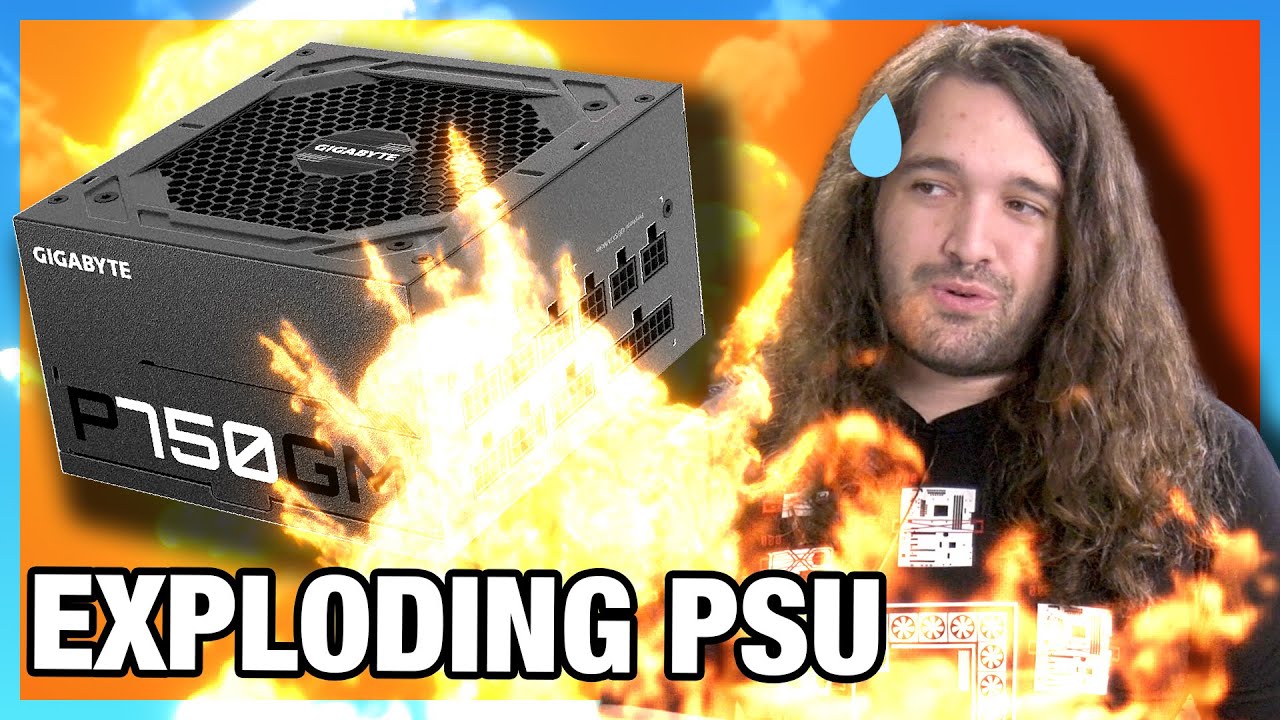
One brand for PSU i am most wary of is gigabyte :grimacing: Exploding psu? no thx :rofl:

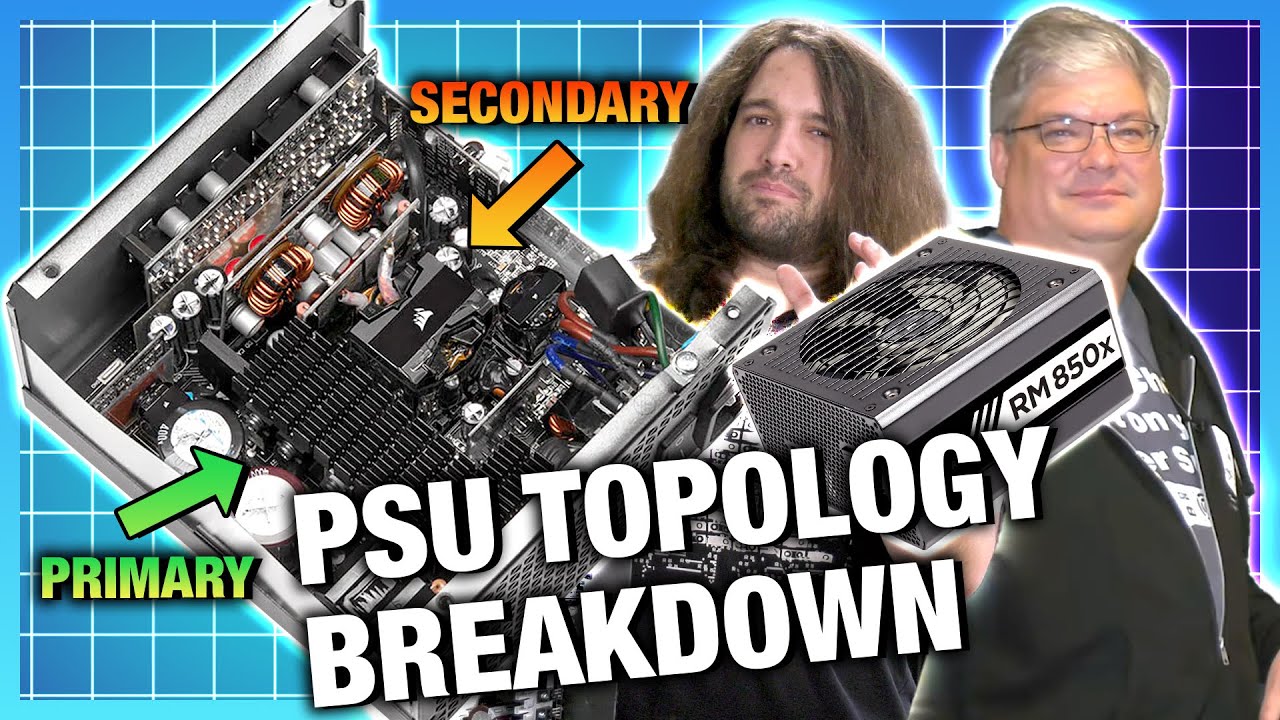
PS: jonny guru gets lauded as one of the best psu critics out there. he knows his stuff on the topic of psus. but i dont know if he maintains a psu tier list or not.

Jon Gerow (“Jonnyguru”)

Jon Gerow, widely known by his online handle Jonnyguru, was a pioneer in detailed PC PSU reviews and is still a highly influential figure.

  • Foundational work: His former website, jonnyguru.com, was considered the ultimate authority on PSU quality and performance for many years, offering in-depth analysis and a standardized testing approach that set the bar for the industry.

  • Transition to industry: Due to his immense expertise, Jon Gerow was hired by Corsair, a major PC component manufacturer, to head their power supply research and development. This move speaks volumes about his expertise and influence in the field.

  • Legacy: Even after moving to Corsair, his past reviews remain a valuable resource, and his design philosophy is often cited as the reason for the high quality of many modern Corsair PSUs, such as the widely praised RMx series.

*just an update, seems jonny is retired from the review stuff. rip :sweat_smile:

Here is another up to date tier list for 2025, though i’m not sure how credible it is. but they explain their rating criteria and u can cross check that against other reviewers for the models to check if the consensus matches or not.

All brands go through their ups and downs. People don’t seem to think highly of Gigabyte motherboards now, but the ones I used were very solid. And I remember when “Micro Star International” was a discount brand. :wink: Quite a difference today.

I’m honestly not sure. The computer I’m typing this on is my first build and it’s 16 years old – and still on the original PSU. :sweat_smile: It’s an Antec TPQ 850 (Ha, I just noticed the 5v rail has a max load of 180w). When I was looking around earlier today I thought I saw mention that Antec PSUs were actually made by Seasonic.

1 Like

My seasonic prime failed once during the warranty period, seasonic was happy to do a advanced replace - ie get a credit card, send me a refurbished / new replacement, get credit once the broken one gets to them. Was super happy with that service. See here

@jgreco wrote a comprehensive PSU sizing document that now resides in the resource section. Resultant PSUs will be oversized if you use helium filled drives (highly recommended) but is a great sanity check.

It is very difficult to find “small” PSUs that are titanium rated (ie that operate at 90%+ efficiency at 0-10% capacity).

My miniXL (8 HDD bays, 3 SSDs, etc on inside, mini-itx c2750 motherboard, up to one PCI card) had a 250w PSU. Tiny little thing, worked though.

1 Like

Yeah, that’s one reason I’m considering this. I want something that will cover the drive bays comfortably once I (eventually) get them all filled, but I don’t want to do the classic overbuy and have a system running in sub-optimal efficiency 90% of the time. My existing system only has a 250w PSU and idles at 62w. I don’t recall if I ever watched it during boot-up but heavy load can bring it up to 110 or so. All my drives are helium. I wonder if you can see a measurable change in the PSU load as the drives age and they lose their helium.

Both the drive and the PSU should be able to tell that helium is being replaced with air by virtue of the motor draw going up.

Out of the many He series drives I have here, at least one was flagged by SMART as losing He, which then prompted me to replace it. The first that failed was for a different reason, followed by my ripping apart the dying drive to see how they sealed the He in there. Very interesting approach, well done. See here.

When they fail, or cause issues.

Never had a good one fail truth be told. I’m sure it happens.

1 Like

so how long did ur psu last?

like mine the 10 year warranty is almost up. so how much longer does a good psu typically last? :thinking:

all i know is what others said. that once the warranty period is over, just replace the psu.

I have read the comments here and I agree with the statements being said.

  1. Buy a reputable power supply. I prefer Seasonic myself, they are a reputable brand.
  2. How many power connections does the drive cage/backplane have?
  3. Are you looking for a true ATX power supply (20 to 24 pin connector) or are you looking for a power supply that just provides the 5/12V power with the flip of a switch?

You can get very technical if you desire, or just look for a Seasonic power supply that might just be on sale. But you must know your maximum power requirements that you would ever imagine for the unit, then add a little more for a buffer. I would say a 500 watt unit would be good since a lot of manufacturers rate power supplies pushed to the limit and they don’t seem to care about noise on the power lines, so aim a bit higher, but many Seasonic PSU start at 650 Watts which is definitely more than you would need. But in the future if you buy some of those 100TB drives with the built in microwave ovens, you would have the power to run those. Okay, I think they are just over 30TB but you get my point.

I like the PS that @NickF1227 recommended. Maybe I will get one of those for my next project build.

Three. The manufacturer says I need to use two power harnesses to drive it. So I’ll be looking for a PSU with at least three peripheral/SATA connectors (two for the backplane, and one+ for any SATA SSDs). The fans for the storage half of the case are powered off the backplane.

The PSU would be powering the motherboard as well as the storage, so it would need normal PC power connectors.

I didn’t gather that from your posting. You should add in the motherboard & CPU you are using. The figures you have received as far as I can tell were based on it just being the 12 slots for drives.

Of course a 650 Watt power supply may be fine but if you have some high powered graphics card, that totally changes things.

1 Like

Because that’s not really set. I’d like to build a new system, but will likely be moving my current system to the new case the way this economy is going. This topic was more about my concerns of power supplies and their power when it comes to spinning disks. Desktop PC cases are designed with 3.5” drives being largely an afterthought now, to say nothing of 5.25” optical drives. Component makers assume the average builder is a gamer, so PSU makers take that to mean they utilize a couple NVMe drives for storage and have been focusing on engineering new products for (safe) high power on GPU delivery and not spinning disks.

If I did a new system, I’d likely be using a CPU with a built-in GPU to leverage hardware encoding. I’m really not interested in AI-on-the-server to the point I want to spend the money on a monster graphics card for this system.

1 Like